21,768 people live in Point Loma, where the median age is 38 and the average individual income is $66,361. Data provided by the U.S. Census Bureau.
Total Population
Median Age
Population Density Population Density This is the number of people per square mile in a neighborhood.
Average individual Income
Point Loma has 9,284 households, with an average household size of 2. Data provided by the U.S. Census Bureau. Here’s what the people living in Point Loma do for work — and how long it takes them to get there. Data provided by the U.S. Census Bureau. 21,768 people call Point Loma home. The population density is 14,160 and the largest age group is Data provided by the U.S. Census Bureau.
Total Population
Population Density Population Density This is the number of people per square mile in a neighborhood.
Median Age
Men vs Women
Population by Age Group
0-9 Years
10-17 Years
18-24 Years
25-64 Years
65-74 Years
75+ Years
Education Level
Total Households
Average Household Size
Average individual Income
Households with Children
With Children:
Without Children:
Marital Status
Blue vs White Collar Workers
Blue Collar:
White Collar:
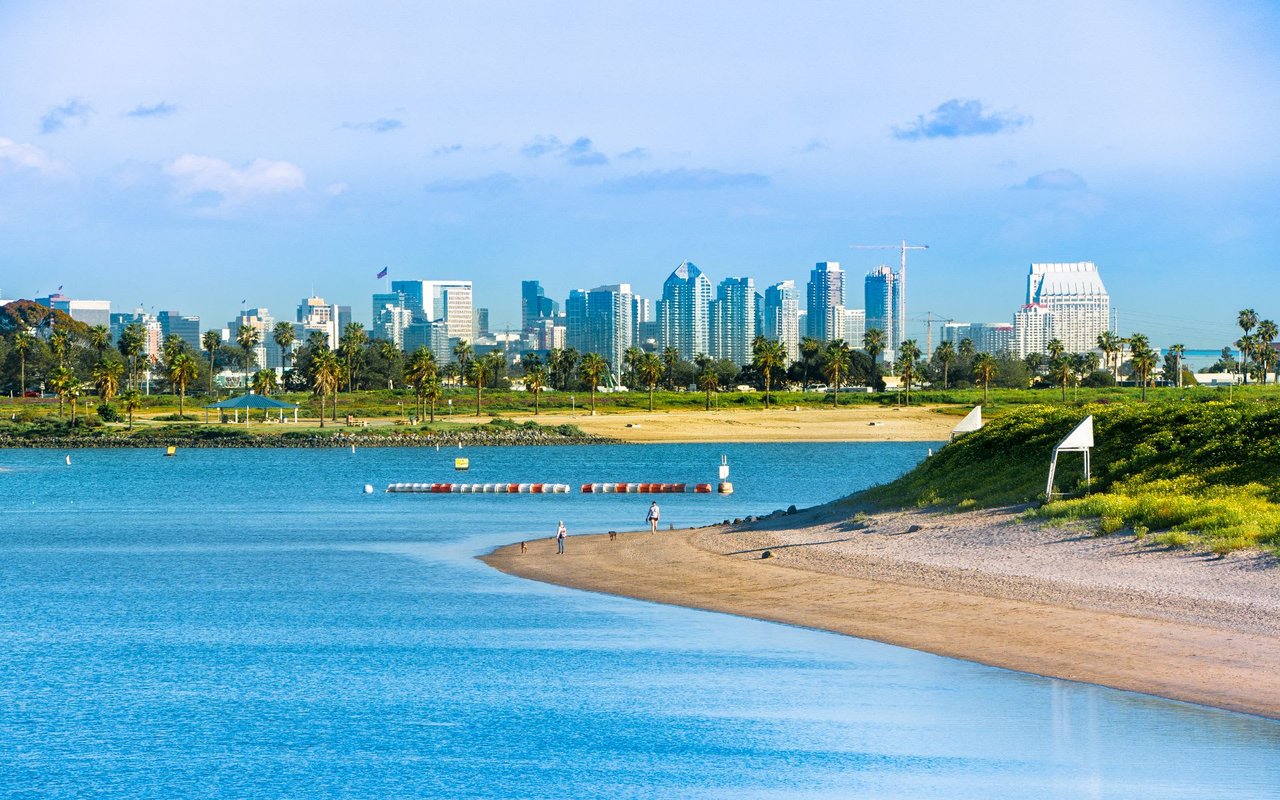
Point Loma is one of San Diego’s most historic and scenic coastal communities, occupying the peninsula between the Pacific Ocean and San Diego Bay. It is known for bayfront homes, ocean-view hillsides, marina access, military history, Liberty Station, Cabrillo National Monument, Sunset Cliffs, yacht clubs, and established residential neighborhoods with a quieter pace than many central San Diego districts.
The broader Peninsula Community Planning Area covers approximately 4,409 acres, or about seven square miles, and includes several distinct residential pockets such as La Playa, Wooded Area, Roseville-Fleetridge, Loma Portal, Point Loma Heights, Sunset Cliffs, Liberty Station, and nearby Ocean Beach Highlands. This variety gives Point Loma unusual range: buyers can compare historic cottages, mid-century homes, harbor-view estates, newer townhomes, coastal rebuilds, and luxury properties near the water.
This guide covers the history, lifestyle, real estate market, schools, amenities, residential settings, and investment picture for Point Loma in San Diego, California.
| Key Facts: Point Loma, CA | |
|---|---|
| County | San Diego County |
| City | San Diego, California |
| Community Type | Coastal peninsula community with residential neighborhoods, military facilities, marinas, parks, schools, commercial corridors, and historic landmarks |
| Location | Between the Pacific Ocean and San Diego Bay, west of Downtown San Diego and south of Ocean Beach and the Midway District |
| Planning Area | Approximately 4,409 acres, or about seven square miles, within the City of San Diego’s Peninsula Community Planning Area |
| Primary ZIP Codes | 92106 and 92107, with nearby portions connecting into 92110 and surrounding central San Diego ZIP codes |
| Local Character | Established, coastal, maritime, view-oriented, historic, residential, and highly connected to San Diego Bay and the Pacific Ocean |
| Primary Roads | Rosecrans Street, Nimitz Boulevard, Catalina Boulevard, Chatsworth Boulevard, Talbot Street, Harbor Drive, Shelter Island Drive, Canon Street, and Sunset Cliffs Boulevard |
| Major Landmarks | Cabrillo National Monument, Old Point Loma Lighthouse, Liberty Station, Shelter Island, Sunset Cliffs Natural Park, Fort Rosecrans National Cemetery, and Point Loma Nazarene University |
| Nearby Communities | Ocean Beach, Sunset Cliffs, Loma Portal, Midway, Mission Hills, Downtown San Diego, Little Italy, Mission Bay, and Coronado |
| Closest Airport | San Diego International Airport, approximately 3 to 7 miles depending on the Point Loma address |
| School District | San Diego Unified School District; many households are part of the Point Loma Cluster |
| Market Profile | High-value coastal and bay-oriented market with single-family homes, condos, townhomes, historic homes, luxury estates, and view properties |
Point Loma Lifestyle Snapshot
An editorial snapshot of the community’s strongest lifestyle attributes, not a statistical ranking.
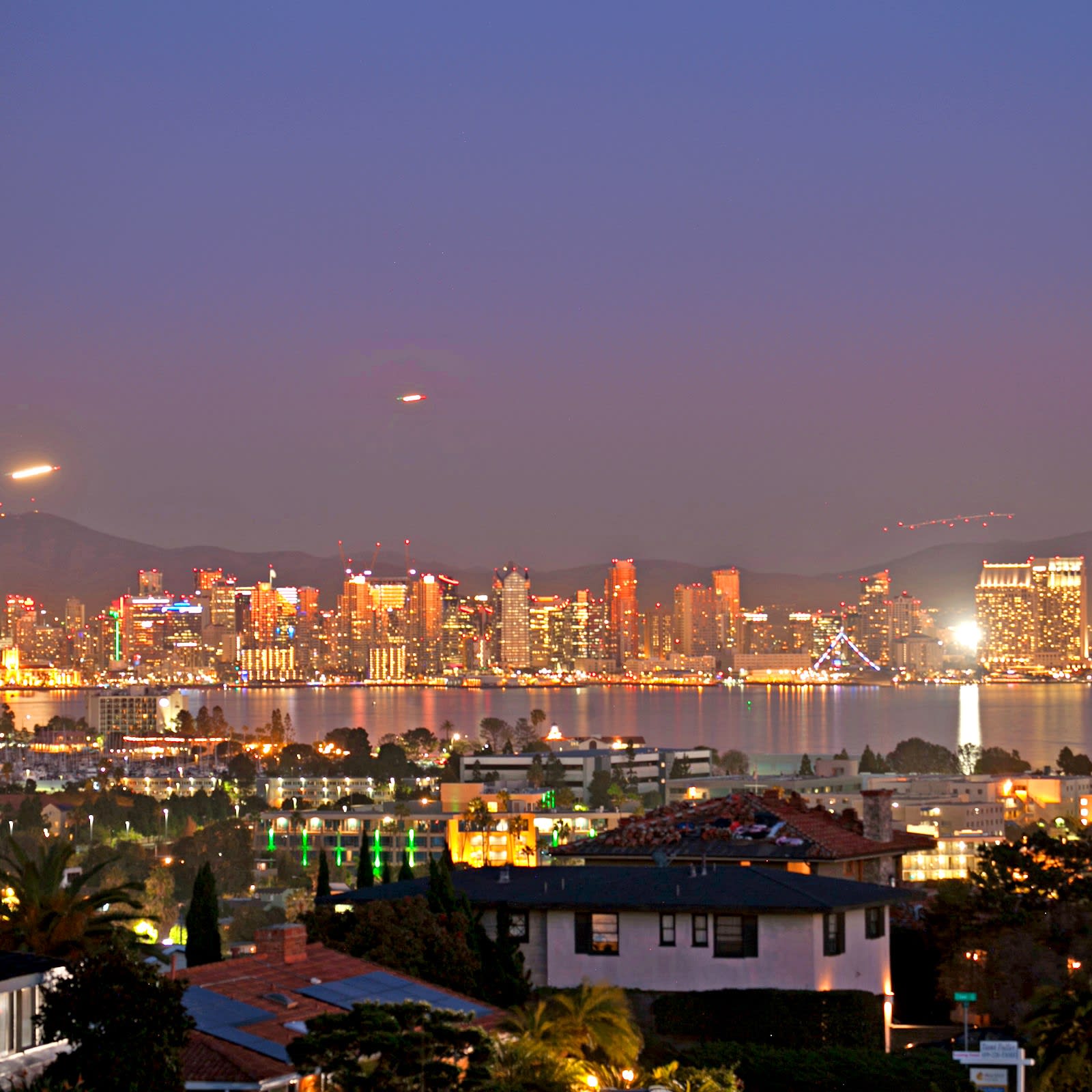
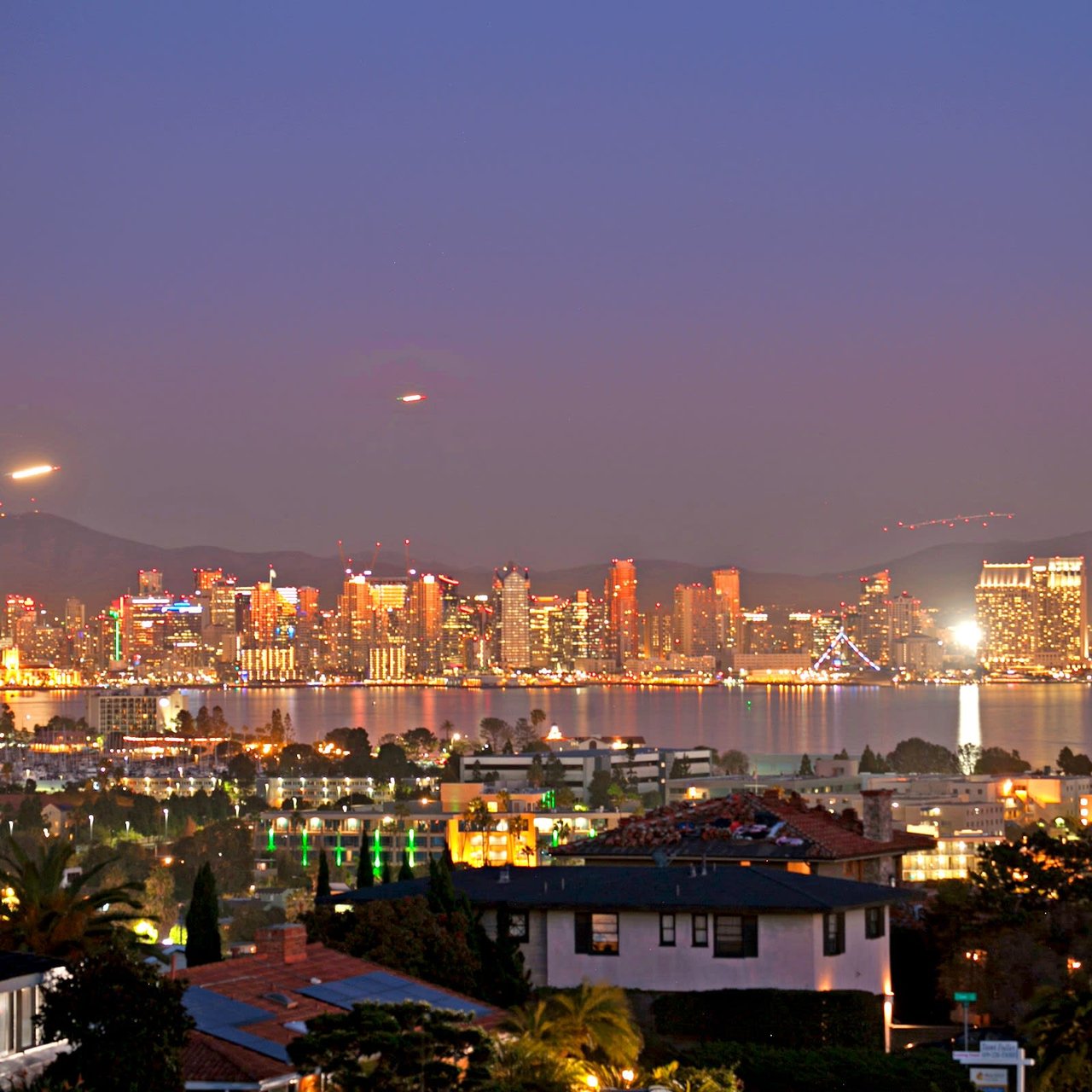
Point Loma offers one of San Diego’s strongest combinations of history, location, water access, and neighborhood variety. The peninsula feels close to everything: Downtown San Diego, the airport, Liberty Station, San Diego Bay, Ocean Beach, Shelter Island, and Cabrillo National Monument are all part of everyday life. At the same time, many residential streets feel calm, established, and removed from the intensity of downtown or beach-party districts.
The area works for several buyer profiles. Families often look at school pathways and quieter streets in Loma Portal, Fleetridge, and Point Loma Heights. Luxury buyers focus on La Playa, Wooded Area, bay-view slopes, and custom homes with privacy and water views. Boat owners gravitate toward Shelter Island, La Playa, and marina access. Coastal buyers compare Sunset Cliffs and the western hillside streets for ocean exposure.
Point Loma is not one single lifestyle. It includes bayfront prestige in La Playa, leafy residential streets in Wooded Area, family-focused pockets near schools, newer mixed-use energy at Liberty Station, and dramatic ocean scenery near Sunset Cliffs.
Point Loma is one of the most historically important places in California. Cabrillo National Monument commemorates the 1542 landing of Juan Rodríguez Cabrillo at San Diego Bay, widely recognized as the first European expedition to set foot on what later became the West Coast of the United States. The peninsula’s position at the mouth of San Diego Bay made it central to navigation, defense, maritime activity, and early regional settlement.
The Old Point Loma Lighthouse, first lit in 1855, became one of the peninsula’s defining landmarks. Its high position offered sweeping views, but fog and low clouds often obscured the light from ships, eventually leading to the construction of the New Point Loma Lighthouse at a lower elevation. Today, the old lighthouse is preserved within Cabrillo National Monument and remains one of San Diego’s most visited historic sites.
Point Loma also has deep military and naval history. Fort Rosecrans, Naval Base Point Loma, and the former Naval Training Center helped shape the peninsula’s development, population, architecture, and land use. The Naval Training Center operated from 1923 to 1997 before being transformed into Liberty Station, now one of San Diego’s most successful adaptive reuse districts.
The residential neighborhoods also carry their own heritage. Roseville is one of the oldest settled parts of Point Loma and has long-standing ties to San Diego’s Portuguese fishing community. Loma Portal and Fleetridge reflect early and mid-century suburban development, while La Playa and Wooded Area preserve some of the peninsula’s most prestigious bay-view residential settings.
Point Loma’s history is visible in daily life: the lighthouse, national monument, naval buildings at Liberty Station, fishing heritage in Roseville, and harbor-facing homes all reflect the peninsula’s long connection to San Diego Bay and the Pacific.
Point Loma sits close to San Diego’s core while still feeling geographically distinct because of the peninsula shape. Rosecrans Street and Nimitz Boulevard carry much of the daily traffic, connecting residents to the airport, Downtown, Midway, Mission Bay, and I-5. Catalina Boulevard runs along the higher spine of the peninsula toward Cabrillo National Monument, while Sunset Cliffs Boulevard connects the ocean-facing side with Ocean Beach and Sunset Cliffs.
| Destination | Approximate Distance / Time | Route |
|---|---|---|
| San Diego International Airport | 3–7 miles / 8–18 min | Nimitz Boulevard, Rosecrans Street, Harbor Drive, or local Point Loma routes |
| Downtown San Diego | 5–9 miles / 12–25 min | Harbor Drive, Rosecrans Street, Nimitz Boulevard, or I-5 depending on origin |
| Liberty Station | 0–4 miles / 5–12 min from most Point Loma addresses | Rosecrans Street, Truxtun Road, Lytton Street, or Nimitz Boulevard |
| Shelter Island | 1–4 miles / 5–12 min | Shelter Island Drive and Rosecrans Street |
| Ocean Beach | 1–4 miles / 5–15 min | Sunset Cliffs Boulevard, Nimitz Boulevard, or Voltaire Street |
| Mission Bay | 4–7 miles / 10–20 min | West Mission Bay Drive, Nimitz Boulevard, or I-8 connections |
| Cabrillo National Monument | 3–8 miles / 10–20 min depending on address | Catalina Boulevard south to the tip of Point Loma |
| Coronado | 10–14 miles / 20–35 min | I-5 south to Coronado Bridge, or harbor-area routes |
Point Loma is mostly car-oriented, though some pockets are walkable to Liberty Station, Shelter Island, Point Loma Village, Ocean Beach, or local schools. The main transportation tradeoff is traffic on Rosecrans Street, especially during airport, military, event, and peak commuter periods. Still, the neighborhood’s proximity to the airport and downtown is one of its strongest practical advantages.
Point Loma is a high-value coastal and bay-oriented market with strong variation by micro-neighborhood. Redfin’s current Point Loma snapshot reported a median sale price around $1.52 million, with a median sale price per square foot near $1,200. Zillow’s April 2026 data showed average home values of approximately $1.83 million in 92106 and $1.52 million in 92107, while Point Loma Heights averaged about $1.15 million.
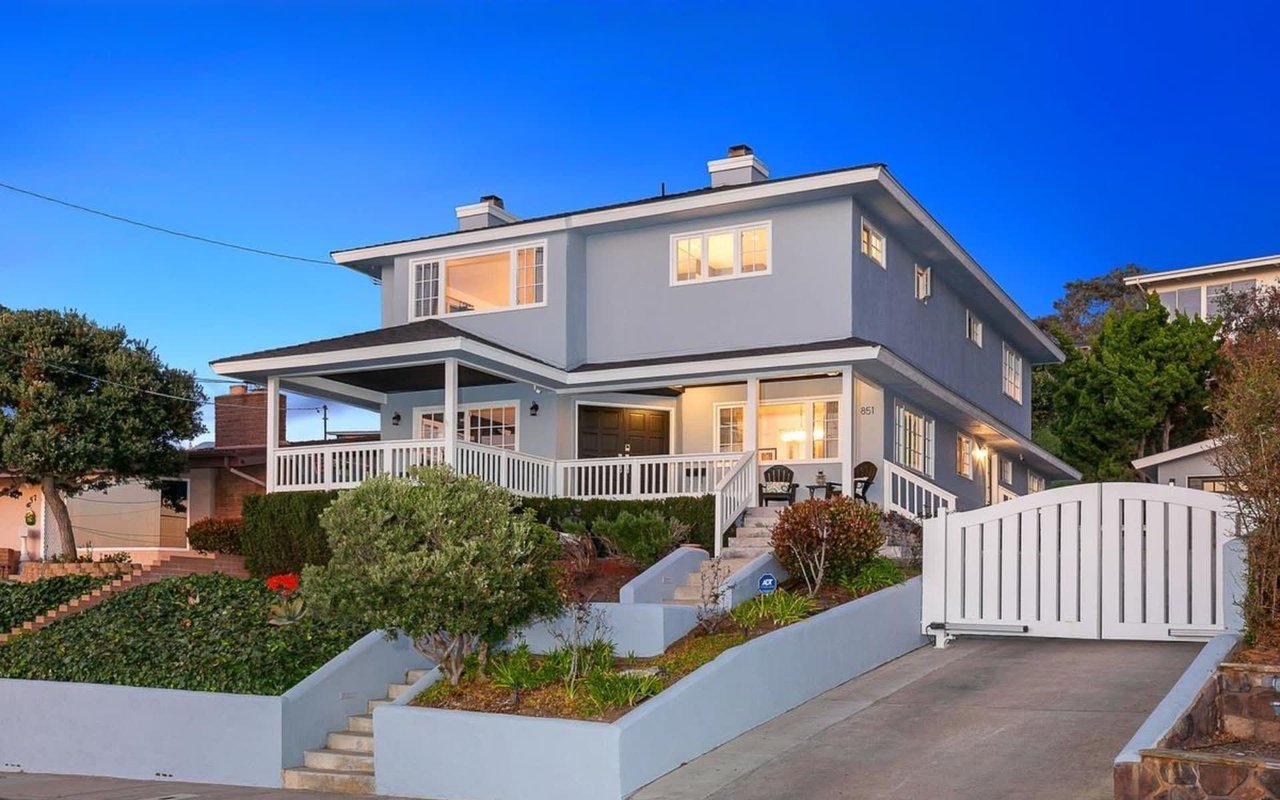
That spread is important. La Playa bayfront homes, Wooded Area estates, and custom view properties can trade far above the peninsula average. Point Loma Heights, Loma Portal, and Roseville-Fleetridge often provide more varied entry points, including smaller single-family homes, older cottages, townhomes, and condos. Liberty Station has its own attached-home and mixed-use appeal.
| Property Segment | Market Character | Buyer Consideration |
|---|---|---|
| Bayfront and La Playa homes | Prestige segment with some of Point Loma’s highest-value properties, bay views, marina access, and rare waterfront positioning | Review view protection, seawall or waterfront condition, dock access, insurance, and coastal permitting carefully |
| Wooded Area and view estates | Private, leafy, elevated, and luxury-oriented, often with larger lots and stronger privacy | Lot slope, tree coverage, view corridors, driveway access, and renovation quality can create major pricing differences |
| Roseville-Fleetridge homes | Established residential area with historic roots, hillside homes, and a mix of older and updated properties | Buyers should compare lot position, condition, school proximity, and access to village and harbor amenities |
| Point Loma Heights and Loma Portal | More varied price points, family-friendly streets, older homes, townhomes, and strong school access | Condition, parking, lot size, traffic exposure, and school pathway should be reviewed by address |
| Liberty Station and attached homes | Lower-maintenance lifestyle with parks, restaurants, schools, and arts amenities nearby | HOA rules, parking, outdoor space, rental restrictions, and proximity to active commercial areas matter |
For sellers, Point Loma rewards clear positioning. A bay-view estate, a walkable Liberty Station townhome, and a classic Loma Portal house are not competing with the same buyer. For buyers, the best approach is to choose the lifestyle first, then compare micro-neighborhoods by commute, school access, water views, and renovation needs.
Point Loma pricing is deeply location-specific. A home’s value can shift sharply based on bay views, ocean exposure, slope, marina access, historic character, parking, and whether the address is closer to Liberty Station, La Playa, Sunset Cliffs, or Loma Portal.
Point Loma lifestyle is coastal, practical, and deeply tied to the water. Residents can have breakfast near the marina, walk through Liberty Station, watch the sunset at Sunset Cliffs, take visiting family to Cabrillo National Monument, or get to the airport in minutes. It is one of San Diego’s rare communities where daily life can feel relaxed without being far from the city’s core.
The monument sits at the southern tip of Point Loma and offers views of San Diego Bay, the Pacific Ocean, Coronado, and Mexico on clear days. It is one of the peninsula’s signature historic and outdoor destinations.
The former Naval Training Center is now a major mixed-use district with restaurants, parks, schools, galleries, hotels, shops, markets, and arts organizations.
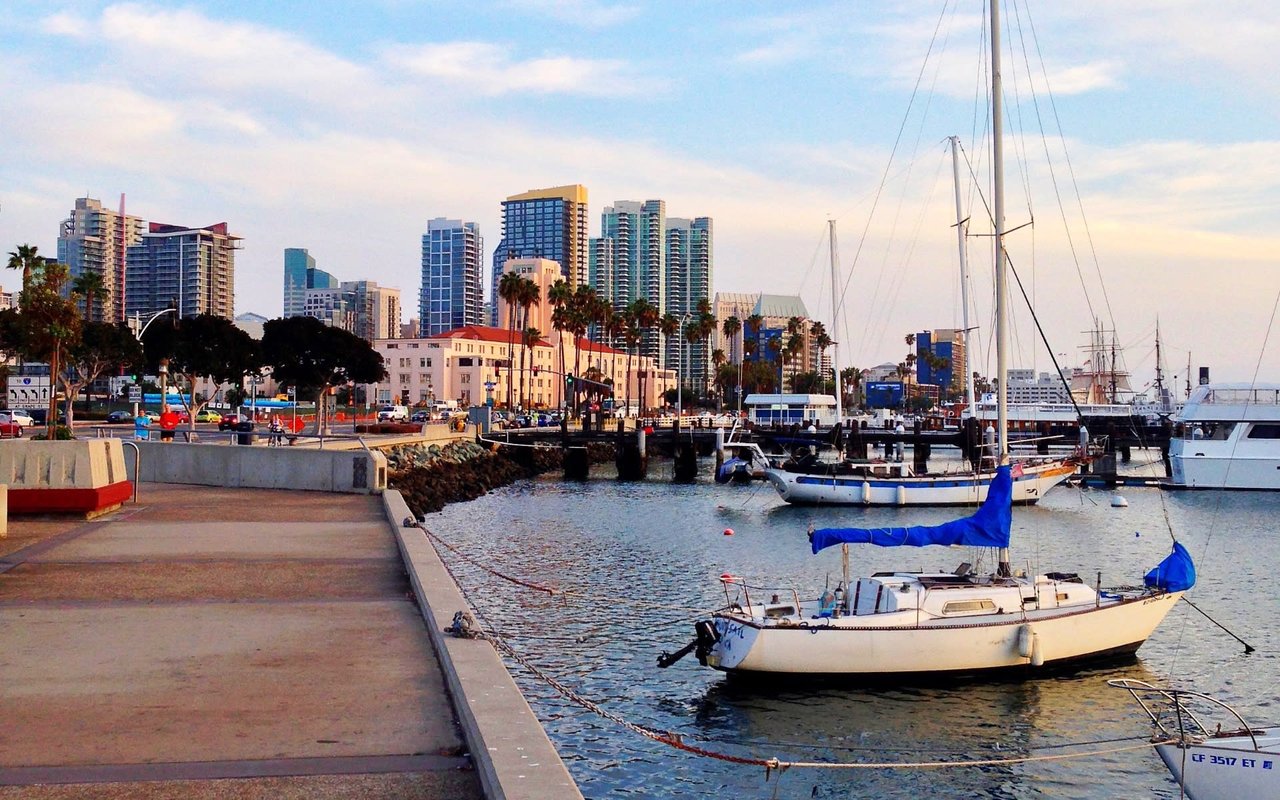
Shelter Island gives Point Loma residents access to marinas, yacht clubs, waterfront dining, hotels, walking paths, and harbor views.
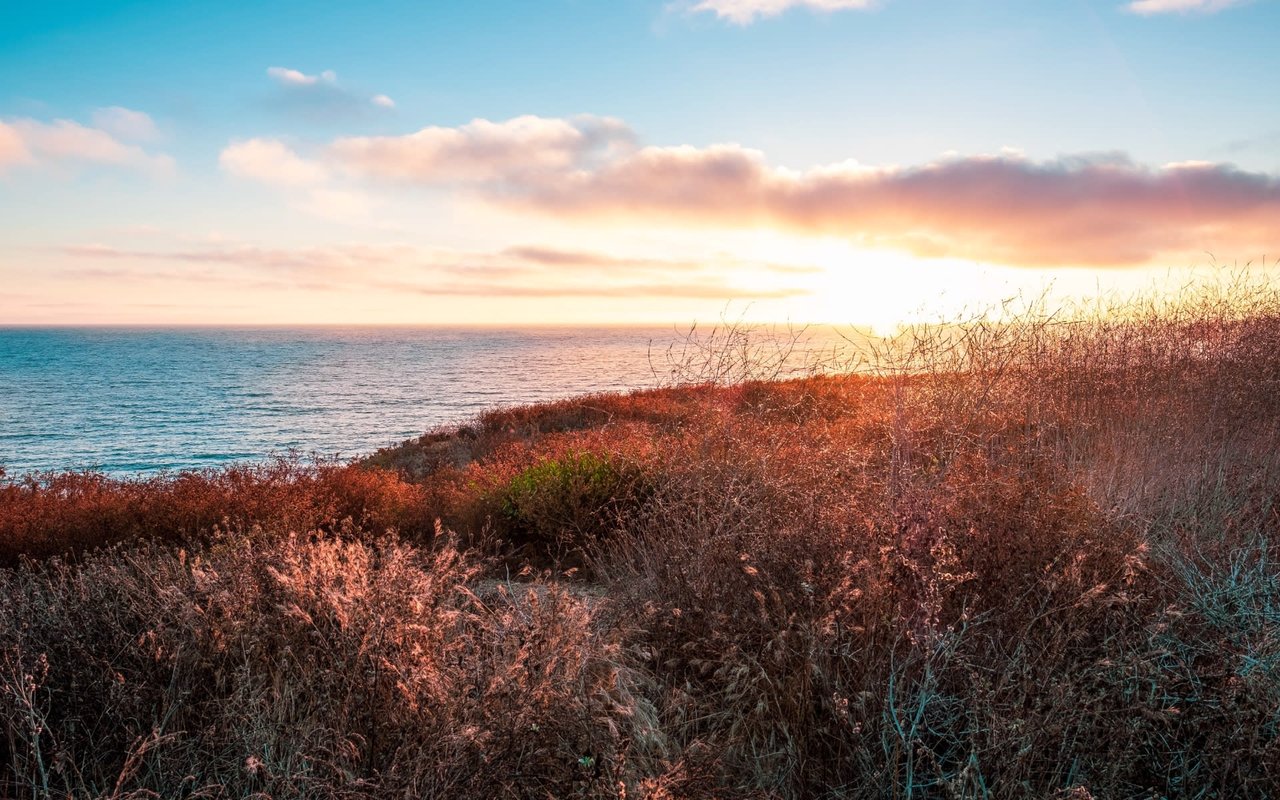
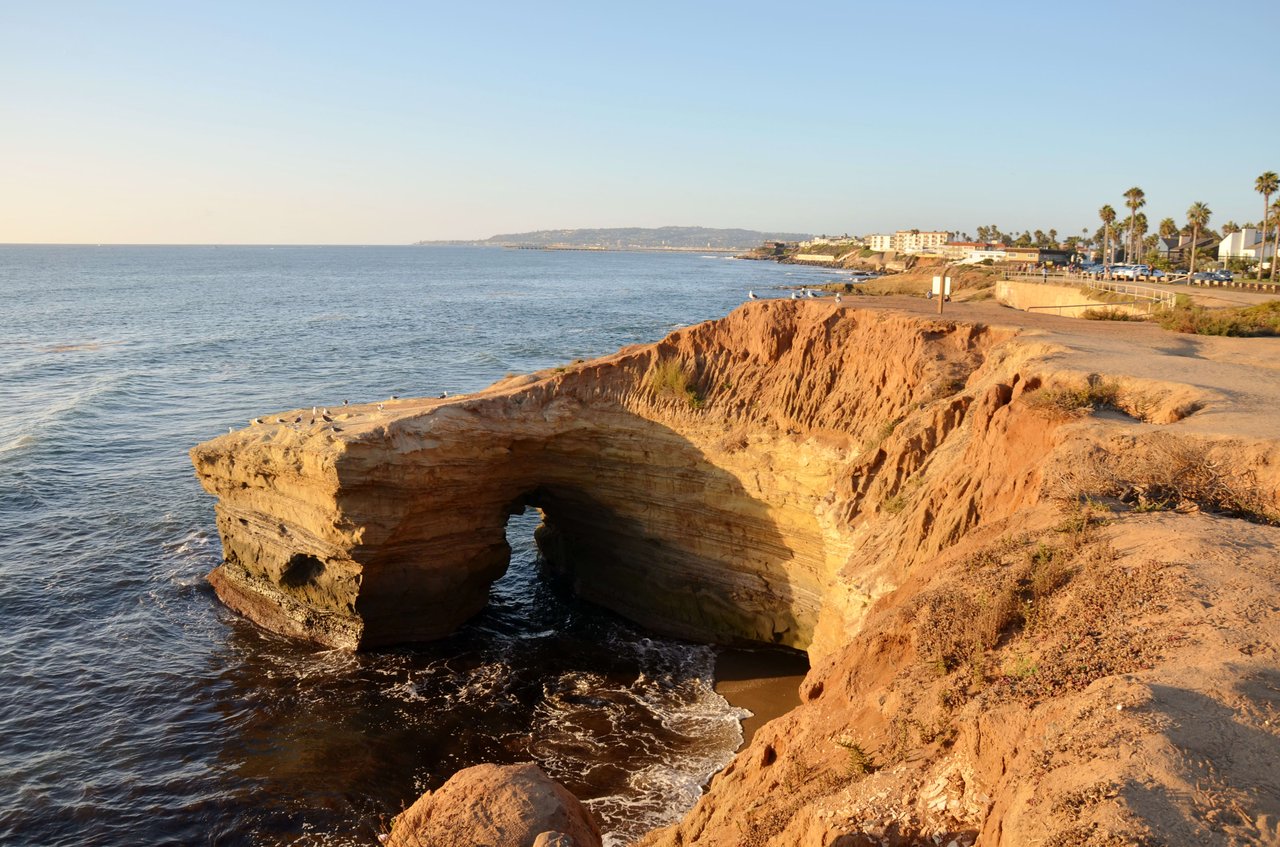
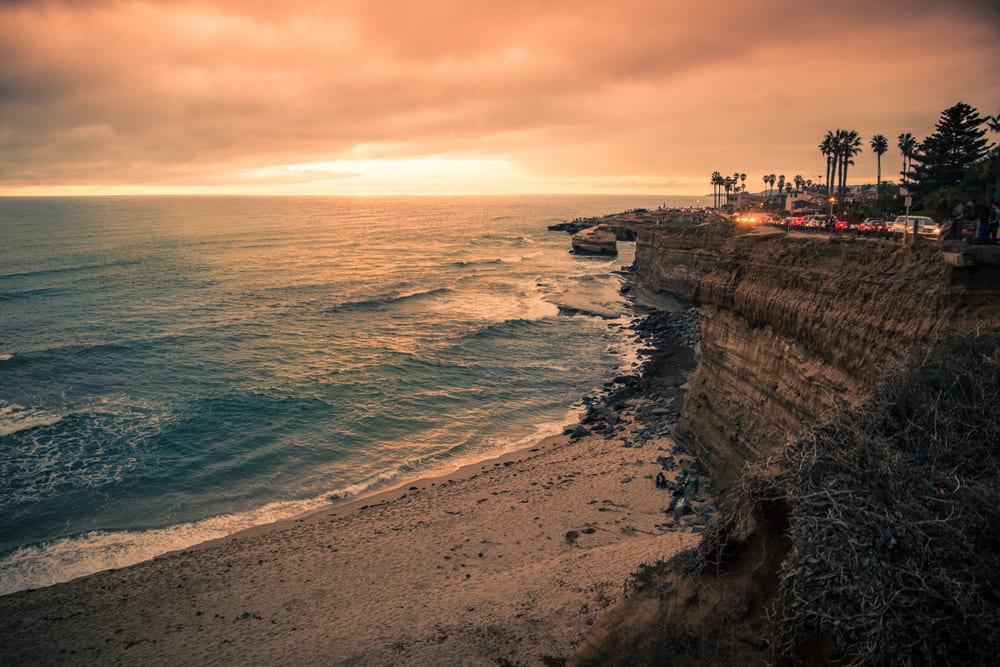
The ocean-facing side of Point Loma includes dramatic coastal bluffs, surf access, walking routes, and some of San Diego’s most iconic sunset views.
The village area offers local restaurants, services, small businesses, boating-related amenities, and a convenient commercial anchor for nearby residential streets.
Boating, sailing, fishing, yacht clubs, harbor walks, and marina life are central to Point Loma’s identity, especially near La Playa and Shelter Island.
Point Loma has a strong amenity mix because it combines residential neighborhoods with harbor services, military infrastructure, university activity, schools, commercial corridors, parks, and regional destinations. Liberty Station, Shelter Island, Rosecrans Street, Ocean Beach, and the Midway District provide most daily conveniences.
| Category | What’s Available |
|---|---|
| Grocery & Everyday | Grocery stores, pharmacies, banks, coffee shops, fitness studios, salons, pet services, and everyday retail are available in Point Loma, Liberty Station, Ocean Beach, and the Midway area. |
| Dining | Shelter Island, Liberty Station, Point Loma Village, Rosecrans Street, Ocean Beach, and nearby harbor corridors offer seafood, casual restaurants, breweries, cafes, waterfront dining, and date-night options. |
| Healthcare | Medical offices, urgent care, dental practices, specialists, and larger healthcare systems are accessible in Point Loma, Mission Valley, Downtown San Diego, and central San Diego. |
| Transit | Most residents rely on cars, bikes, or rideshare. MTS bus routes serve key corridors, while airport, downtown, trolley, and train connections are available nearby. |
| Outdoor Recreation | Cabrillo National Monument, Sunset Cliffs Natural Park, Shelter Island, Liberty Station parks, San Diego Bay, Ocean Beach, tide pools, marinas, and harbor paths support active outdoor living. |
| Shopping | Liberty Station, Point Loma Village, Midway, Ocean Beach, Mission Valley, and Downtown San Diego provide local shops, specialty stores, larger retail, and service businesses. |
| Arts & Entertainment | Liberty Station’s arts district, The Lot, galleries, community events, music venues, waterfront restaurants, Ocean Beach events, and Downtown San Diego’s cultural venues are all within reach. |
Point Loma’s amenity advantage is balance. Residents get coastal recreation, marina access, historic landmarks, schools, parks, dining, and airport proximity without needing to live in a dense downtown environment.
Point Loma is best understood as a collection of smaller pockets, each with a different lifestyle. The bay side tends to feel more maritime and view-oriented. The western side connects more closely to Sunset Cliffs and Ocean Beach. The interior hills provide established family neighborhoods, while Liberty Station offers a more planned mixed-use environment.
La Playa is one of Point Loma’s most prestigious bayside settings, known for harbor views, yacht club proximity, marina access, and some of San Diego’s highest-value residential properties.
Wooded Area offers leafy streets, privacy, larger homes, and an elevated setting between the bay and the ocean side of the peninsula.
Roseville-Fleetridge blends historic roots, hillside homes, village access, and established residential streets near schools, marinas, and harbor amenities.
Loma Portal is a family-friendly residential area known for established homes, neighborhood schools, and convenient access to Liberty Station and central San Diego routes.
Point Loma Heights offers a more varied housing mix with single-family homes, condos, townhomes, and access to Ocean Beach, schools, and local commercial corridors.
Liberty Station offers a planned mixed-use lifestyle with parks, restaurants, shops, schools, arts venues, and lower-maintenance residential options nearby.
| Area | Character | Best For |
|---|---|---|
| La Playa | Bayside, prestigious, marina-oriented, view-driven | Luxury buyers, boaters, harbor-view buyers, and long-term estate owners |
| Wooded Area | Private, leafy, elevated, quiet | Buyers seeking larger homes, privacy, and a refined residential setting |
| Roseville-Fleetridge | Historic, established, hillside, near village services | Families and buyers seeking Point Loma character with practical access |
| Loma Portal | Residential, family-friendly, school-oriented | Households prioritizing schools, local streets, and easy airport/downtown access |
| Point Loma Heights | Varied, accessible, OB-adjacent, more mixed housing | Buyers seeking a broader price range near beaches and central Point Loma amenities |
| Liberty Station | Mixed-use, planned, walkable in pockets, amenity-rich | Buyers wanting lower-maintenance living near parks, restaurants, schools, and arts venues |
Point Loma is served by San Diego Unified School District, with many households aligned with the Point Loma Cluster. The cluster includes nine public schools serving K–12 students and feeds into Point Loma High School. Families should still verify assignments by exact address because small boundary differences can affect school pathways.
| School / District | Type / Grades | Notes |
|---|---|---|
| San Diego Unified School District | Public district serving San Diego | Point Loma-area assignments are address-specific and often tied to the Point Loma Cluster pathway |
| Point Loma Cluster | K–12 public school cluster | Consists of nine public schools in the Point Loma area and serves more than 6,400 students across its pathway |
| Cabrillo Elementary School | Public elementary school | Located on Talbot Street; serves early childhood, state preschool, UTK, and elementary students in the Point Loma area |
| Loma Portal Elementary School | Public elementary school | Commonly associated with Loma Portal and nearby Point Loma residential pockets |
| Silver Gate, Ocean Beach, Dewey, and Sunset View Elementary Schools | Public elementary schools | Part of the broader Point Loma Cluster elementary pathway; assignments depend on address |
| Dana Middle School | Public middle school pathway | Serves intermediate grades within the Point Loma Cluster progression |
| Correia Middle School | Public middle school pathway | Serves later middle-grade students in the Point Loma Cluster pathway |
| Point Loma High School | Public Grades 9–12 | Four-year comprehensive high school serving the Point Loma area, with academic, elective, athletic, and extracurricular offerings |
| Private & Preschool Options | Early childhood, private, faith-based, and specialty programs | Additional options are available in Point Loma, Ocean Beach, Liberty Station, Mission Valley, and central San Diego |
Families moving to Point Loma should confirm school boundaries directly with San Diego Unified before making an offer. This is especially important because the peninsula includes several distinct neighborhoods, and assignments can vary by street.
The Point Loma Cluster is one of the strongest family-oriented anchors on the peninsula. For buyers with children, school pathway, commute, and walkability should be reviewed alongside home condition and view quality.
Point Loma has strong long-term investment fundamentals because it combines coastal scarcity, bay access, historic identity, airport proximity, and neighborhood variety. The peninsula is already built out, so new supply is limited. Most value growth comes from renovation, redevelopment, view premiums, and demand for well-located coastal housing.
| Market Snapshot | |
|---|---|
| Point Loma median sale price | Approximately $1.52 million in Redfin’s current neighborhood snapshot |
| Median price per square foot | Approximately $1,200 according to Redfin |
| 92106 average home value | Approximately $1,825,355 as of April 2026 |
| 92107 average home value | Approximately $1,517,667 as of April 2026 |
| Point Loma Heights average value | Approximately $1,153,208 as of April 2026 |
| Investment Fundamentals | |
|---|---|
| Primary value driver | Bay views, ocean access, limited peninsula land, school pathways, and proximity to airport and downtown |
| Buyer profile | Luxury buyers, families, military and defense households, boaters, coastal relocators, and long-term San Diego owners |
| Supply profile | Mostly built-out market with older homes, remodels, custom rebuilds, townhomes, condos, and limited new construction |
| Rental potential | Strong for well-located homes, condos, and townhomes near Liberty Station, schools, military facilities, marinas, and coastal amenities |
| Long-term appeal | Historic landmarks, water orientation, San Diego Bay, airport access, Liberty Station, and enduring coastal demand |
For investors and long-term owners, the strongest Point Loma properties tend to have a clear advantage: a protected view, walkability to Liberty Station or the harbor, strong school access, marina proximity, a well-renovated structure, or a lot that supports future improvement. Because many homes are older, due diligence around foundations, drainage, permits, electrical, plumbing, and slope matters.
Point Loma is a scarcity market. The peninsula cannot expand, and homes with strong bay views, ocean exposure, or a prime neighborhood setting remain difficult to replace.
Point Loma is a strong fit for buyers who want a coastal San Diego lifestyle without giving up access to the city’s core. It offers harbor views, ocean access, historic landmarks, schools, airport convenience, parks, restaurants, and established residential streets in one compact peninsula setting.
Point Loma offers both bay and ocean lifestyles, with marinas, Sunset Cliffs, Shelter Island, and Cabrillo National Monument all nearby.
The Point Loma Cluster, neighborhood parks, quieter residential pockets, and access to schools make the peninsula appealing for long-term households.
La Playa, Shelter Island, yacht clubs, marinas, and San Diego Bay access make Point Loma one of the city’s strongest boating-oriented communities.
The airport is close enough to make business travel and visiting family unusually convenient, while the neighborhood still feels residential and coastal.
La Playa, Wooded Area, Fleetridge, and select view streets offer high-end homes with privacy, views, and long-term prestige.
Limited land, historic appeal, water access, and San Diego’s coastal demand support Point Loma’s long-term desirability.
Where is Point Loma, CA located?
Point Loma is located in San Diego, California, on the peninsula between the Pacific Ocean and San Diego Bay. It sits west of Downtown San Diego, south of Ocean Beach and the Midway District, and includes several distinct residential pockets within the Peninsula Community Planning Area.
Is Point Loma part of San Diego?
Yes. Point Loma is a community within the City of San Diego. It includes neighborhoods such as La Playa, Wooded Area, Roseville-Fleetridge, Loma Portal, Point Loma Heights, Sunset Cliffs, and Liberty Station.
What is Point Loma known for?
Point Loma is known for Cabrillo National Monument, Old Point Loma Lighthouse, Shelter Island, Liberty Station, San Diego Bay, Sunset Cliffs, naval history, yacht clubs, coastal views, and established residential neighborhoods.
What is the real estate market like in Point Loma?
Point Loma is a high-value coastal and bay-oriented market. Redfin’s current Point Loma snapshot reported a median sale price around $1.52 million, while Zillow’s April 2026 data showed average home values of about $1.83 million in 92106 and $1.52 million in 92107. Prices vary widely by view, neighborhood, condition, and proximity to the bay or ocean.
How far is Point Loma from Downtown San Diego?
Most Point Loma addresses are about 5 to 9 miles from Downtown San Diego. Typical drive times range from about 12 to 25 minutes depending on the exact address, route, and traffic on Rosecrans Street, Nimitz Boulevard, Harbor Drive, or I-5.
Is Point Loma walkable?
Point Loma is walkable in select pockets, especially near Liberty Station, Shelter Island, Point Loma Village, Ocean Beach, and some school-adjacent streets. Many residential areas still require a car for errands because the peninsula is spread across hills, bayside roads, and coastal corridors.
What schools serve Point Loma?
Point Loma is served by San Diego Unified School District. Many households are part of the Point Loma Cluster, which includes nine public schools and feeds into Point Loma High School. Buyers should verify exact school assignments by address through the district.
Who is Point Loma best suited for?
Point Loma is best suited for buyers who want water access, historic character, established neighborhoods, airport convenience, schools, marina culture, and proximity to Downtown San Diego. It is especially appealing to families, boaters, luxury buyers, military and defense households, and long-term coastal homeowners.

Our industry specialities include luxury homes, relocations, estate sales and investment properties. With over 16 years of experience in the real estate industry, Tami has been through multiple market cycles as an agent, buyer and investor, and has a deep understanding for the often-complicated process that her clients will encounter.
Contact Us2468 Historic Decatur Road, #150 San Diego, CA 92106